Last Updated:
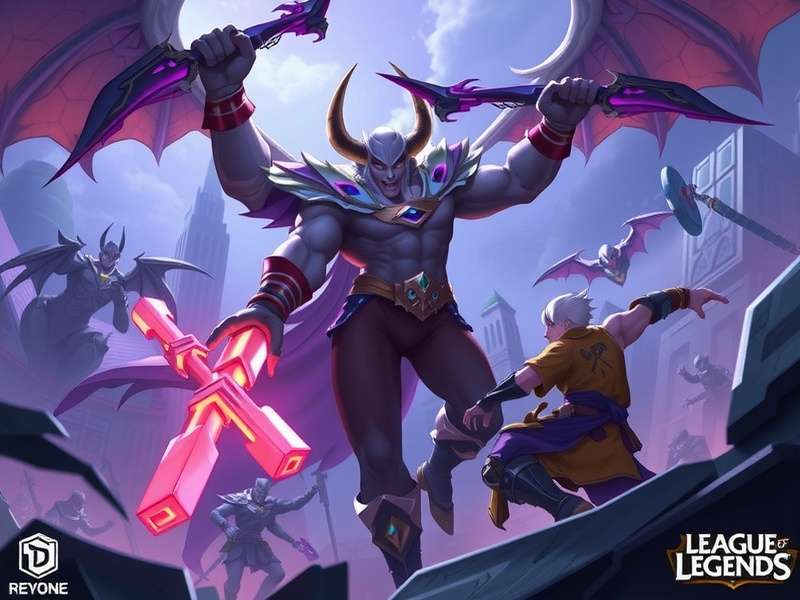
The Unshakeable Legacy of League of Legends
When League of Legends (LoL) erupted onto the scene in 2009, it didn't just create a game; it forged an entire ecosystem. For over a decade, it has been the de facto king of the Multiplayer Online Battle Arena (MOBA) genre, a title earned through relentless innovation, a passionate global community, and a competitive scene that redefined what esports could be. The game's core loop—strategic team fights, objective control, and character mastery—became a cultural touchstone for a generation of gamers.
But Riot Games' ambition was never confined to a single genre. The lessons learned from nurturing LoL—balancing over 150 champions, managing a global esports circuit with leagues like the LCS and LCK, and fostering a creator economy—became the foundational playbook. This expertise didn't vanish; it was distilled and repurposed. The deep understanding of player psychology, meta-shifts, and community-driven content creation became the secret sauce for Riot's next monumental project.
Data & Demographics: The LoL Powerhouse
To understand VALORANT's strategic launch, one must first appreciate the scale of LoL. At its peak, concurrent player numbers regularly surpassed 8 million globally. The 2020 World Championship finals drew over 45 million concurrent viewers, a staggering figure that cemented esports in the mainstream consciousness. This established player base wasn't just an audience; it was a ready-made market of dedicated PC gamers already invested in the Riot ecosystem, primed for a new competitive experience.
"League taught us everything about live service—how to listen, how to adapt, and how to build worlds that players want to live in. VALORANT is the tactical expression of those lessons." — Anonymous Riot Games Developer.
VALORANT: The Calculated Incursion
Enter VALORANT in 2020. This wasn't a haphazard foray into the tactical shooter arena dominated by CS:GO. It was a surgical strike. Riot combined the precise, round-based gunplay of classic shooters with the character-driven abilities of hero-based games—a fusion directly informed by LoL's champion design philosophy. Each Agent, like LoL's champions, has a unique personality, backstory, and kit that defines their role (Duelist, Controller, Initiator, Sentinel), creating immediate player attachment and strategic depth.
The launch strategy was masterclass. A closed beta with heavy influencer involvement created unprecedented hype. Leveraging the existing LoL infrastructure, Riot ensured server stability and a robust anti-cheat system (Vanguard) from day one, addressing two perennial pain points in competitive shooters. They didn't just release a game; they released a promise of a sustainable, competitive integrity-focused ecosystem.
Breaking the Mold: Abilities as Utility
Unlike traditional shooters where utility is equipment-based (grenades, flashes), VALORANT's ability system creates a dynamic, ever-evolving meta. A Sage resurrection or a Sova Recon Bolt can single-handedly swing a round. This layer of strategy, requiring cooldown management and ultimate point economy, is a direct evolution of LoL's ability-based combat, translated into first-person immediacy. It lowers the pure mechanical skill floor slightly while dramatically raising the strategic skill ceiling—a key to broad appeal.
This design also elegantly sidesteps the issue of game size and optimization. By focusing on clean maps and distinct visual effects, VALORANT remains accessible, unlike some bloated titles. Players concerned about storage can breathe easier, though understanding the reality of game size is crucial for system management.
Gameplay Deep Dive: From Macro to Micro
The strategic throughline from LoL to VALORANT is profound. In LoL, victory is achieved through macro-strategy: wave management, jungle pathing, and dragon/baron control. VALORANT translates this into micro-strategy: map control, spike site execution, and economic management. The "mini-map awareness" critical in LoL becomes "audio cue and footstep awareness" in VALORANT. The concept of "vision control" via wards is reborn as information-gathering abilities like Cypher's Spy Camera or Fade's Prowler.
Exclusive Pro Insight: The "Game Sense" Crossover
We spoke with a former semi-professional LoL jungler who transitioned to VALORANT at the Radiant rank. "The skills are surprisingly transferable," they noted. "Tracking enemy cooldowns in LoL is like tracking enemy ability use and ultimate status in VALORANT. Predicting gank paths is analogous to predicting attacker push routes or defender flank timings. The 'game sense' is the same muscle—it's about pattern recognition and predicting opponent behavior." This crossover explains why many top-tier MOBA players have found success in Riot's shooter.
Technical Performance & Accessibility
Riot's commitment to accessibility, honed with LoL, is evident. VALORANT runs on a wide range of hardware, ensuring a broad player base. However, players may occasionally face technical hurdles. For instance, understanding common disconnection issues and their solutions is part of maintaining a smooth competitive experience. Furthermore, initiatives like the Game Changers program are creating pathways for underrepresented groups, mirroring Riot's evolving approach to inclusivity.
The Esports Ecosystem: Building on a Proven Blueprint
The VALORANT Champions Tour (VCT) is LoL's Worlds championship reimagined for a shooter audience. Riot avoided the franchise model missteps of other esports by initially fostering organic regional growth before introducing partnered international leagues. The success of events like Game Changers Seoul and the upcoming Pacific 2024 circuit demonstrates this tailored approach. These tournaments provide vital competitive opportunities beyond the main stage, much like LoL's regional and amateur circuits.
Team dynasties are already forming. The story of how G2 secured their Game Changers victory is a testament to the rising competitive caliber. Looking back, the landmark 2022 season laid the groundwork for today's thriving scene. This structured, multi-tiered ecosystem ensures a constant influx of new talent and storylines, preventing the stagnation that can plague esports.
Viewership & Engagement: A New Paradigm
VALORANT esports viewership leverages lessons from LoL broadcast production. Enhanced observer tools, seamless integration of player POVs, and analyst desks that break down ability usage and economic decisions educate the audience while entertaining. The result is a product that is accessible to newcomers but deeply rewarding for tactical connoisseurs.
Rate This Article's Insightfulness
How valuable did you find this deep dive into the LoL-VALORANT connection?
Community, Culture & The Road Ahead
The lifeblood of any live service game is its community. VALORANT inherited LoL's robust systems for reporting, player behavior tracking, and (eventually) a more nuanced approach to communication. The culture, however, is distinct. While both games have competitive intensity, VALORANT's shorter round times and reliance on voice comms foster a different kind of team dynamic. The rise of content creators specializing in line-ups, agent guides, and VOD reviews creates a perpetual learning loop for the player base.
Looking forward, the pipeline between both games will likely strengthen. Cross-promotional events, thematic skin lines, and shared lore elements are inevitable. The upcoming client updates and download optimizations will further streamline the player experience. As the metagame evolves, so too will the resources required to master it.
Join the Discussion
Share your thoughts on the legacy of League of Legends and the future of VALORANT.
Essential VALORANT Resources & Guides
To continue your journey from spectator to competitor, or simply to optimize your experience, explore our curated resources. Whether you're troubleshooting a persistent disconnect, preparing for a major tournament, or just ensuring your laptop is ready, our hub has you covered.
The evolution from League of Legends to VALORANT is a case study in intelligent game development. It's not about abandoning one success for another; it's about leveraging deep institutional knowledge to innovate within a new genre. VALORANT carries the torch of competitive integrity, community focus, and strategic depth that LoL lit over a decade ago, illuminating a new path for the future of tactical shooters. The game is more than a successor; it's a sibling, born from the same DNA and destined to shape the next era of esports.